Harnessing the Power of Digital Twins to Optimize Building Energy Efficiency Across Latitudes
How Canvas uses digital twins to tailor energy strategies to a building's latitude, sun path and local climate.
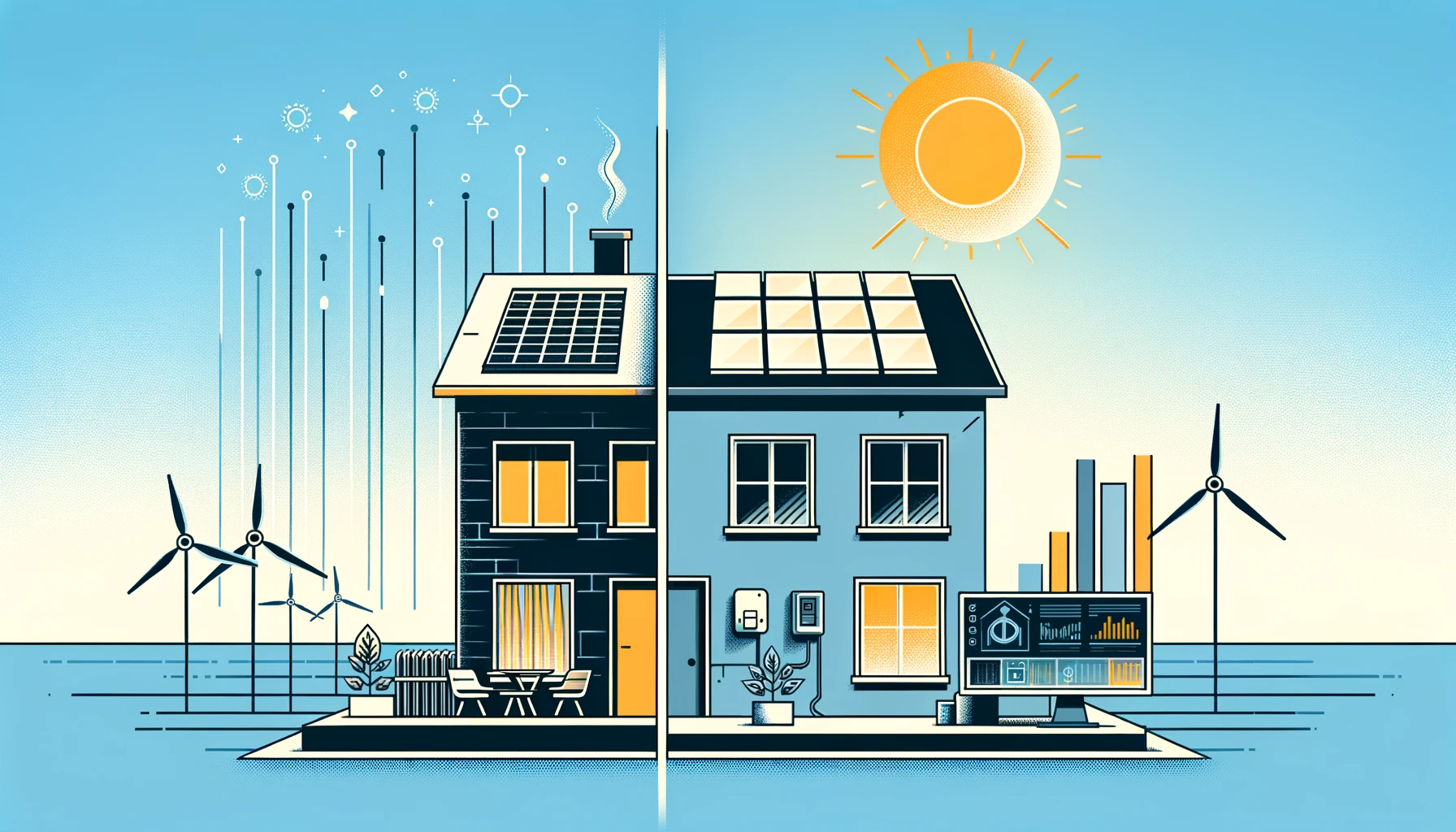
In today’s era of sustainability and energy conservation, building managers and developers are constantly seeking innovative solutions to reduce energy consumption and enhance operational efficiency. One transformative tool that has emerged is digital twin technology, particularly as implemented through Neurba’s Canvas platform. This advanced software constructs virtual models of urban landscapes, including individual buildings, by integrating diverse data streams. A notable application of this technology is optimizing building energy efficiency by considering the position of the sun and exposure to heat throughout the day, which varies significantly across different latitudes on Earth.

The role of latitude in building energy consumption
Latitude plays a crucial role in determining the sun’s position and the amount of heat exposure buildings receive. Buildings in higher latitudes experience significant seasonal variations, with long, cold winters and short, intense summers. Conversely, buildings near the equator face almost consistent daylight hours throughout the year but with higher average temperatures. Understanding these geographical and solar dynamics is crucial for designing and managing energy-efficient buildings.
Digital twins: a game-changer for energy efficiency
Neurba’s Canvas software leverages digital twin technology to address these challenges head-on. By creating a digital counterpart of a building, Canvas allows for an intricate analysis of how different structures interact with their environment based on their geographic location. This includes a detailed examination of solar exposure, shadowing effects, and the building’s thermal performance throughout the day and across seasons.
Strategic sunlight utilization and heat exposure management
Using Canvas, building managers can simulate and analyze how natural sunlight impacts indoor temperature and lighting needs at different times of the year. For buildings in cooler, higher latitude regions, maximizing sunlight exposure during the winter can significantly reduce heating and lighting requirements, thereby lowering energy consumption. Conversely, in lower latitude areas, strategies can be implemented to minimize overheating and reduce cooling needs, such as strategic window placement, shading devices, and reflective materials.
Tailored energy solutions across geographies
The strength of digital twin technology, particularly as implemented through Canvas, lies in its ability to tailor energy-saving strategies to the specific conditions of each building. By considering the unique latitude, local climate, and sun path, Canvas enables the creation of customized energy models. These models facilitate the implementation of optimal building designs and operational strategies, leading to substantial energy savings and reduced carbon footprints.
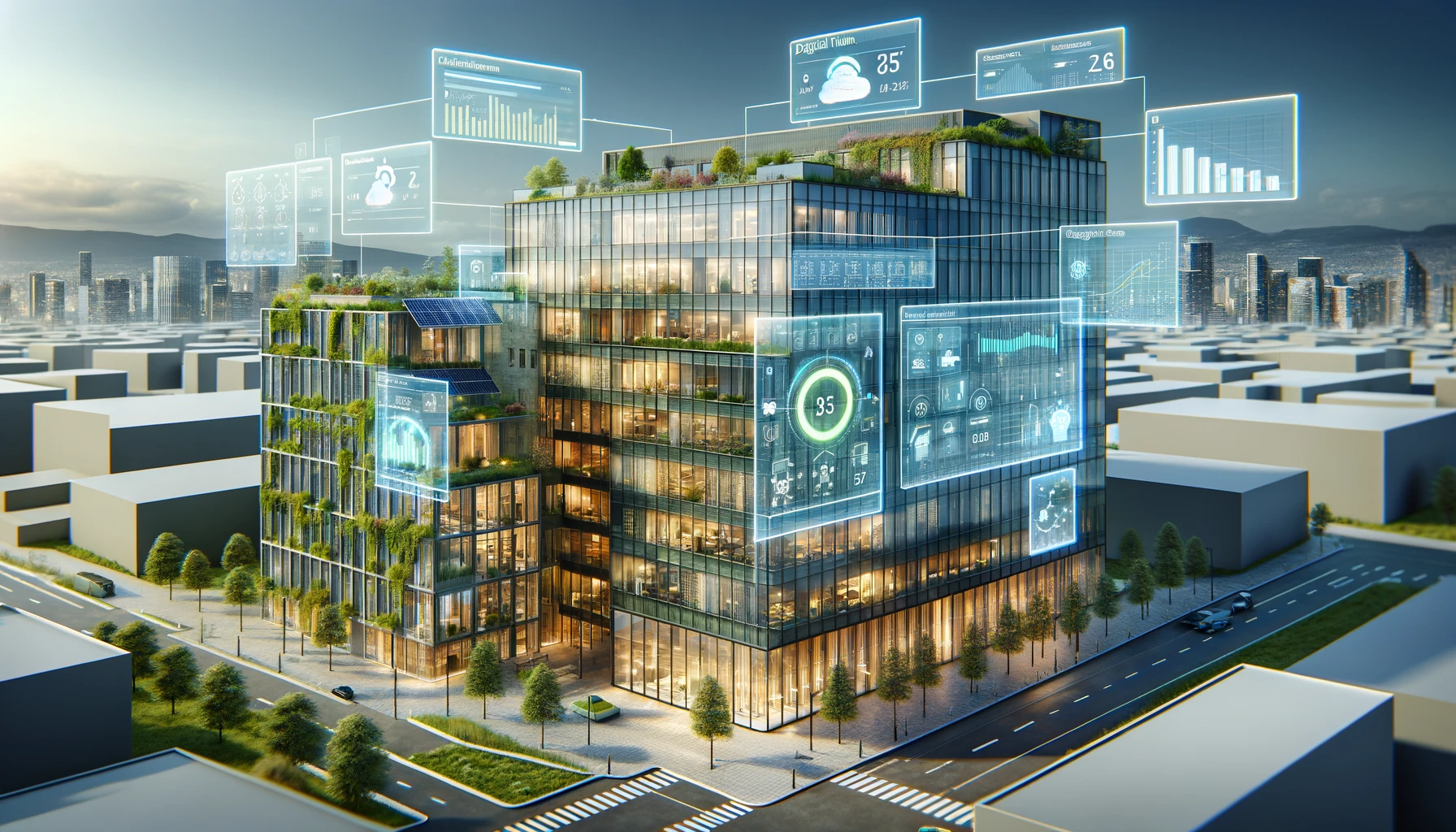
The innovative application of digital twin technology through Neurba’s Canvas platform offers a revolutionary approach to building energy management. By considering the impact of the sun’s position and heat exposure influenced by different latitudes, Canvas provides actionable insights for energy-efficient building design and operation. This not only contributes to significant energy savings but also aligns with global sustainability goals. As we move forward, the adoption of such advanced technologies will be pivotal in shaping the future of energy-efficient urban development. In embracing Canvas’ digital twin technology, building managers and developers can unlock the full potential of their buildings, transforming them into models of sustainability and efficiency for the modern world.