The Impact of Skyscrapers on Urban Shadows
What the shadows cast by tall buildings do to a city, and how digital twins and Canvas shadow analysis help planners mitigate them.

Case study
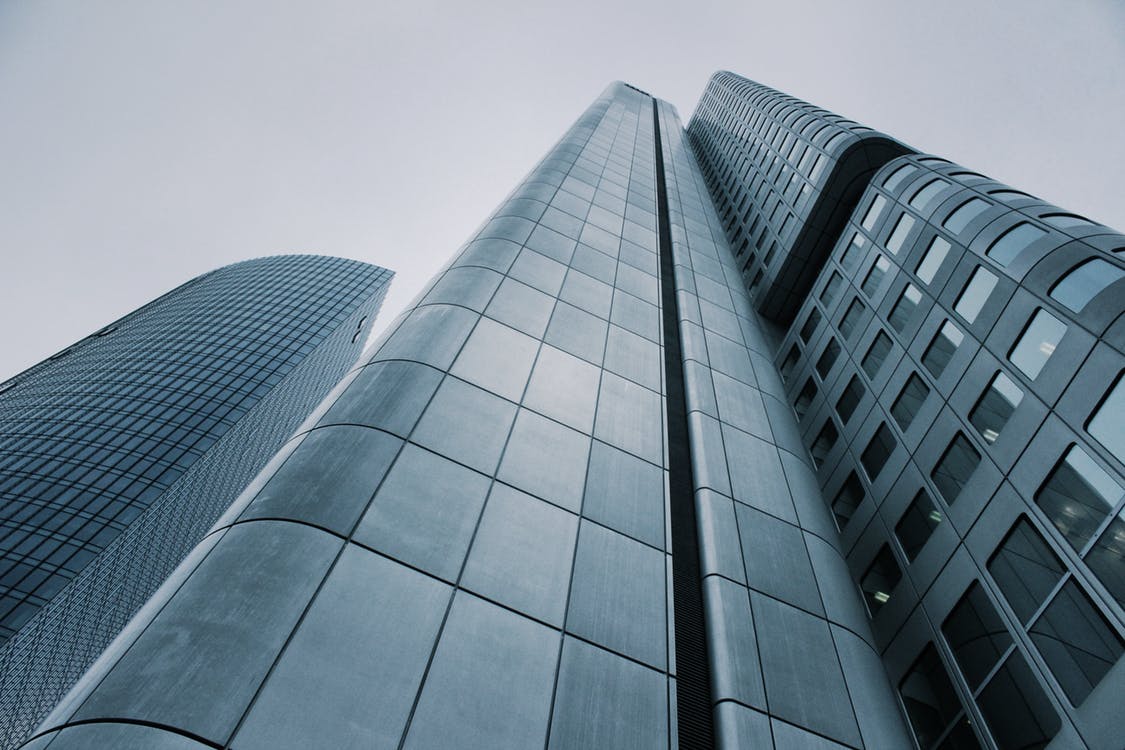
In the heart of a bustling city, the rise of skyscrapers has become a symbol of economic growth, architectural innovation, and urban density. However, the towering presence of these structures casts more than just a metaphorical shadow over the cityscape. The physical shadows cast by skyscrapers have a significant impact on the urban environment, affecting everything from natural light access to the local climate. This article delves into the implications of these urban shadows, using a recent case study to highlight the challenges and considerations cities face as they continue to grow upwards.
The science of urban shadows
Urban shadows are not a new phenomenon, but their impact has grown with the rise of super-tall buildings. The physics of shadow casting is straightforward: the taller the object, the longer the shadow it projects. In densely packed urban areas, this can result in large portions of the city being shaded for extended periods. This reduction in direct sunlight can have various effects, from lowering temperatures to inhibiting the growth of vegetation.
Moreover, the shadows cast by skyscrapers can affect human health and well-being. Access to sunlight is crucial for mental and physical health, influencing everything from vitamin D levels to circadian rhythms. In urban canyons, where daylight is already scarce, the extended shadows from skyscrapers can exacerbate these issues, leading to what some describe as “light pollution.”
A recent example of this phenomenon can be seen with the development of the skyscraper at 115 Winthrop Square. The project has sparked debate due to the extensive shadow it casts over neighbouring areas. Advanced 3D mapping techniques have been used to visualize the impact, showing how the shadow extends across several blocks, altering the character and environment of these areas throughout the day. The case of 115 Winthrop Square highlights the need for careful planning and regulation. Cities like Boston, where this skyscraper is located, have begun to implement “shadow laws” that restrict the height of new buildings based on their potential shadow impact. These regulations aim to balance urban development with the preservation of sunlight in public spaces, ensuring that parks, squares, and open areas maintain their accessibility to sunlight.
Urban planning and shadow mitigation
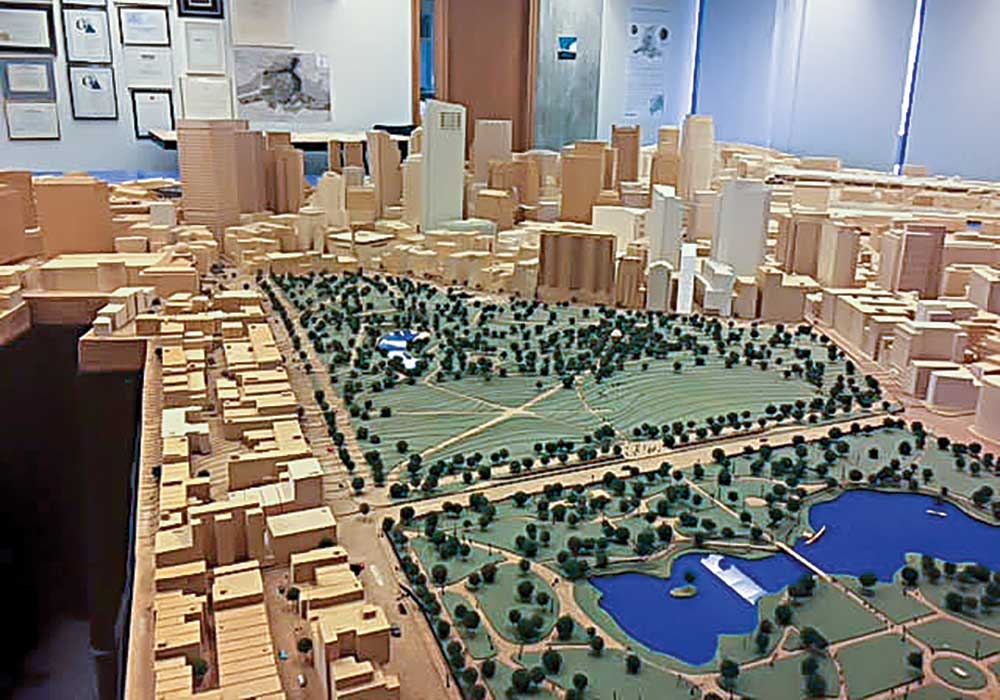
Addressing the challenge of urban shadows requires a multifaceted approach, where technology, particularly digital twins, plays a pivotal role. Digital twins, sophisticated virtual models of physical environments, are revolutionizing how cities manage and mitigate the impact of skyscraper shadows. These digital replicas enable urban planners and architects to perform comprehensive shadow analyses, predicting the effects of new buildings on sunlight access in real time and with high accuracy.
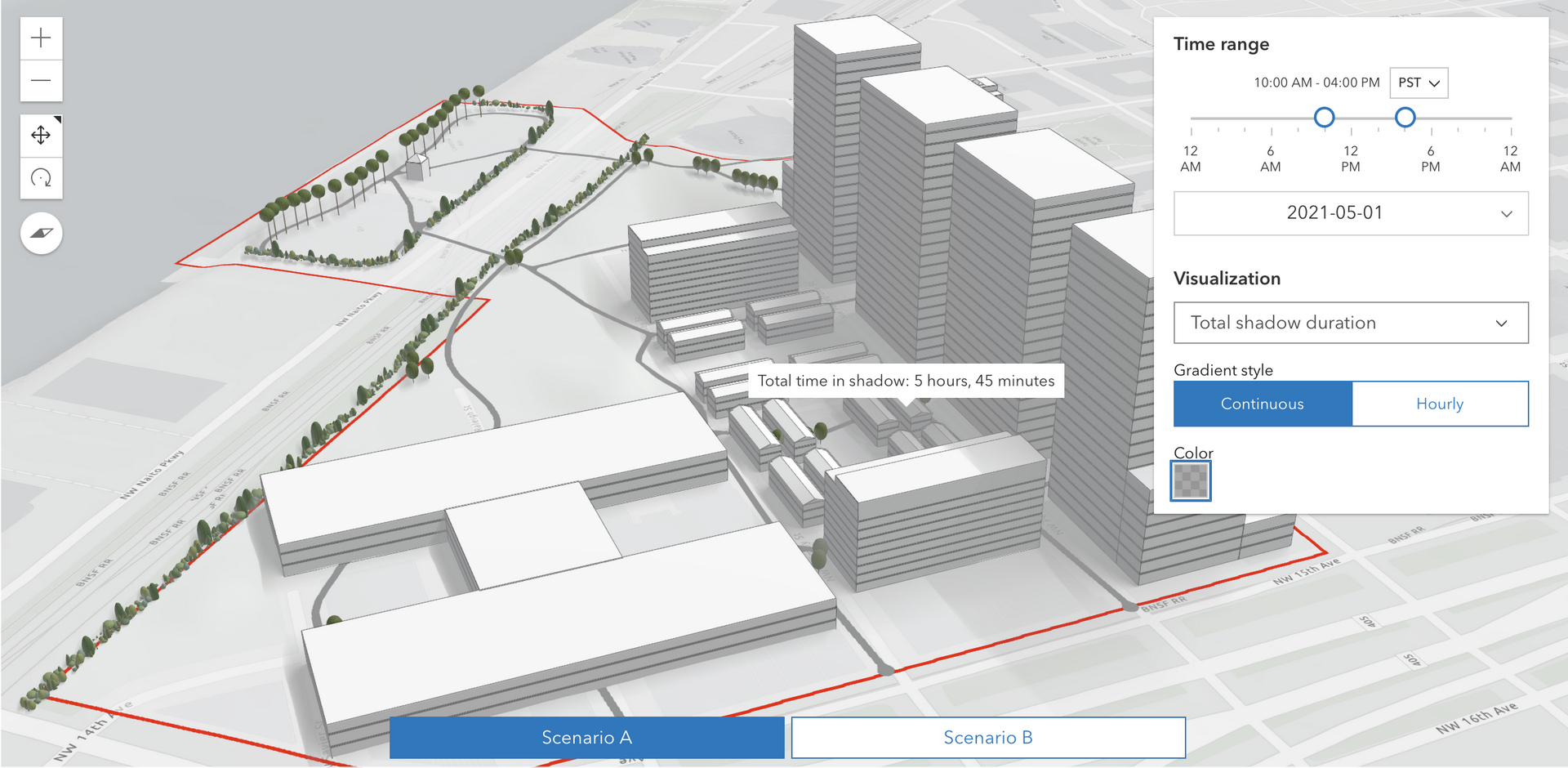
One solution in the design phase of skyscrapers involves architects employing innovative designs that minimize shadow impact, such as tapered structures or strategically placed cutouts that allow sunlight to pass through. By using digital twins, architects can simulate these designs under different conditions throughout the year, ensuring minimal impact on the surrounding areas. Neurba’s Canvas shadow analysis enables the optimization of new buildings’ placement, significantly reducing their shadow footprint and preserving light access for the surrounding community.
Furthermore, digital twins offer dynamic solutions for the revitalization of shadow-affected areas. Urban planners can use these virtual models to simulate the introduction of reflective materials and surfaces, assessing their effectiveness in bouncing light into shaded spaces. Similarly, the impact of green roofs and walls, which can offset the loss of ground-level vegetation, can be accurately predicted using digital twin technology. This approach not only enhances the urban landscape but also contributes to the well-being of city dwellers by ensuring they receive adequate sunlight.